Act 3: Closing ranks
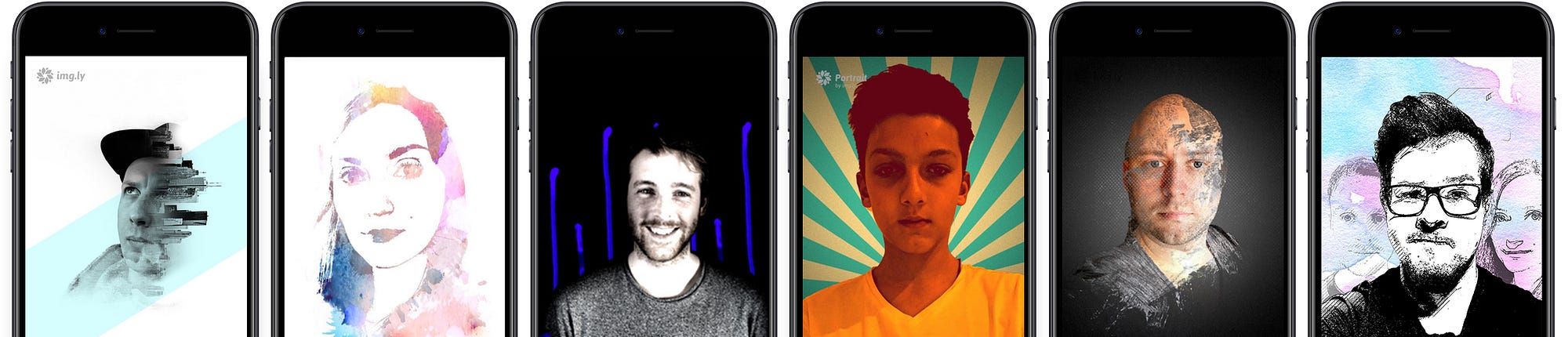
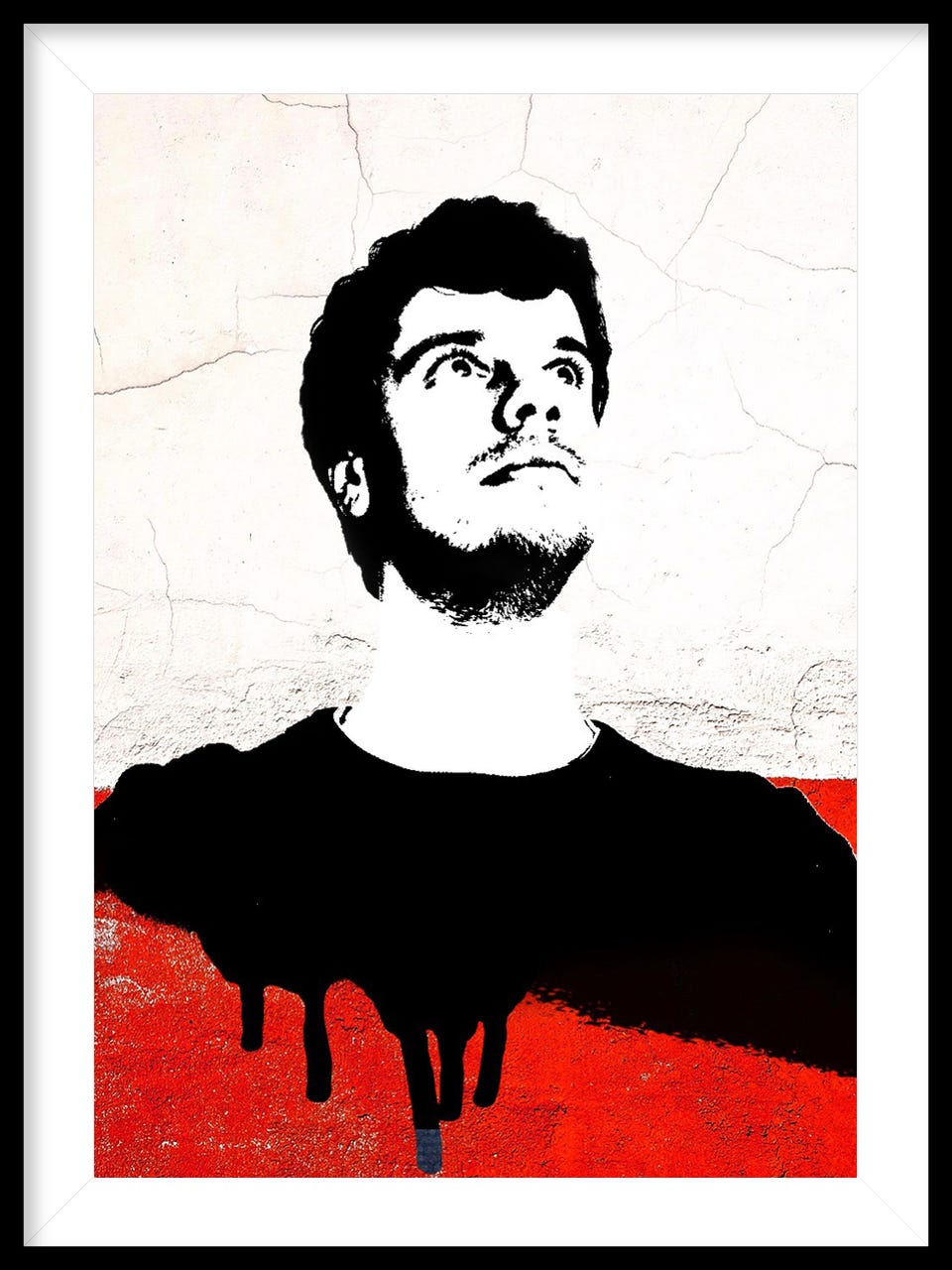
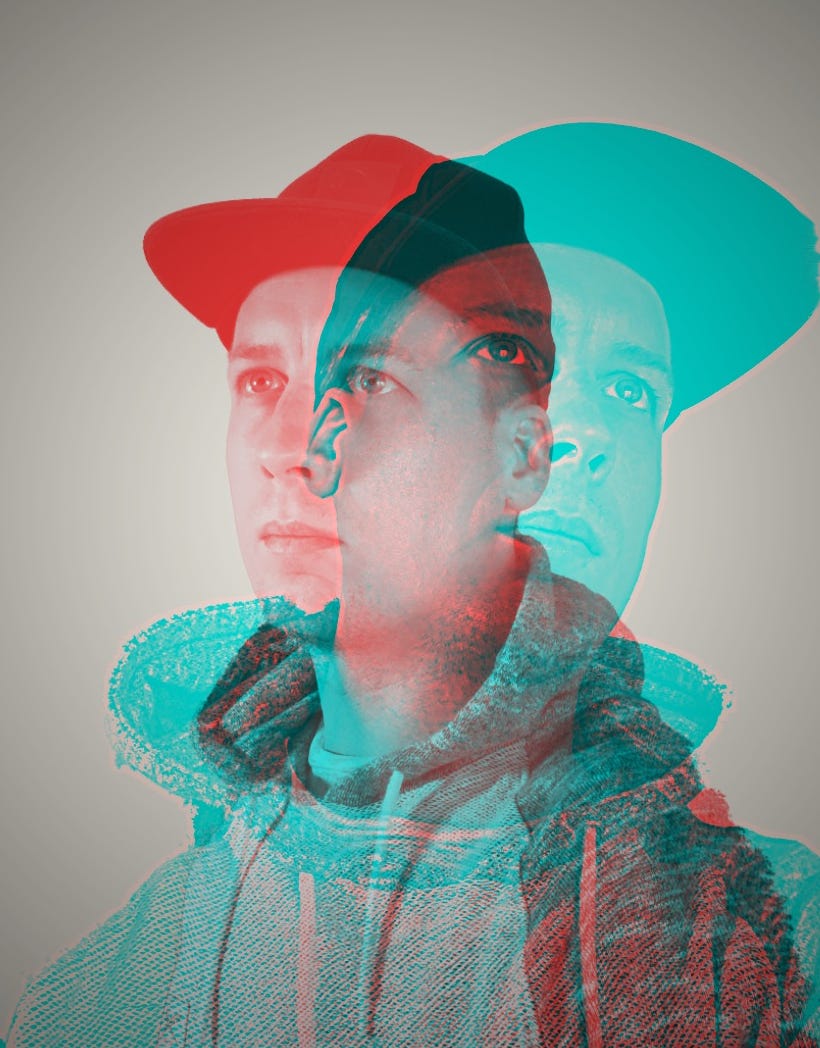
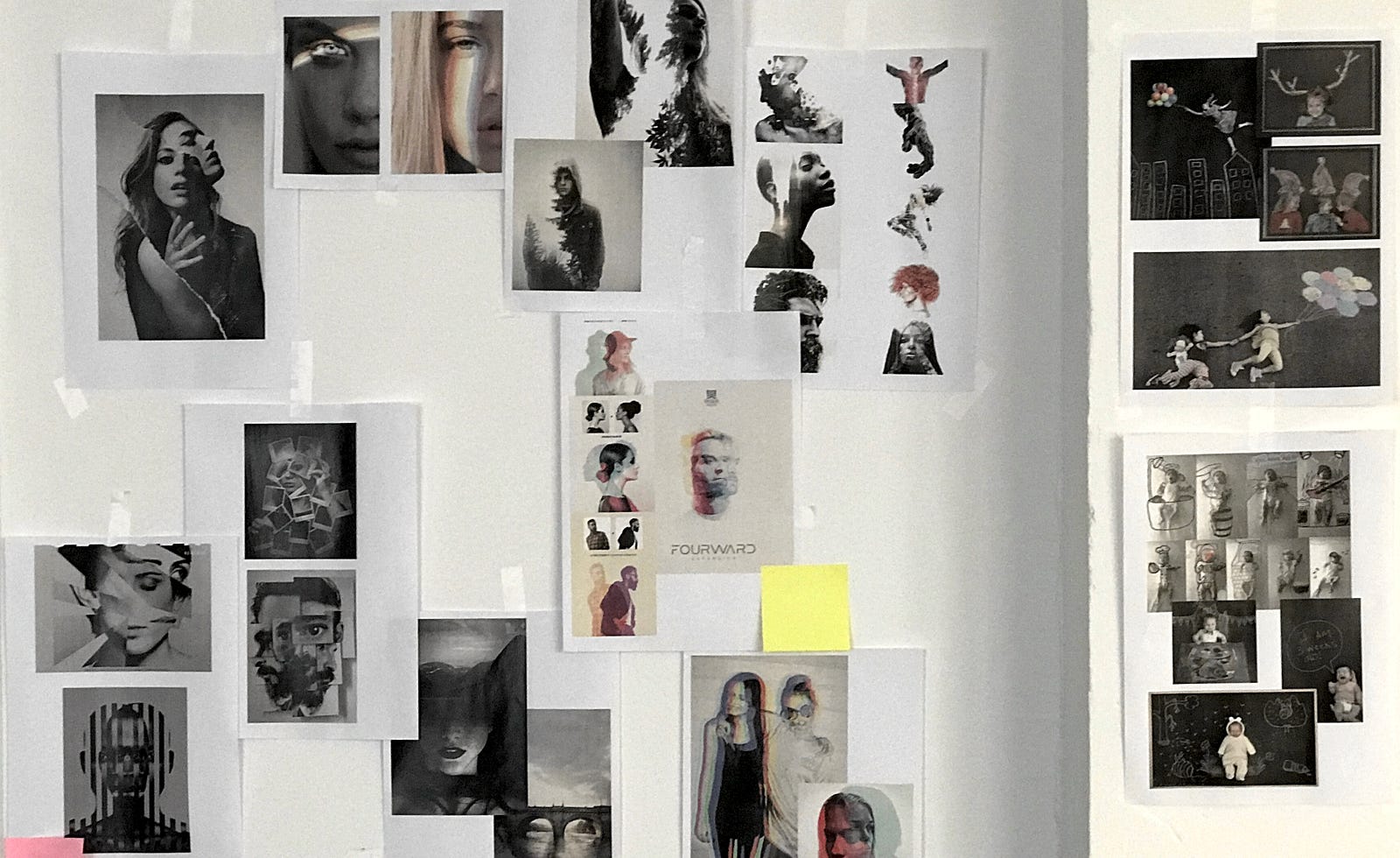
With such a clear vision for our app, we started separating the wheat from the chaff, categorizing the portraits and understanding which operations of our SDK we had to combine, assemble and enhance to create these visuals.
What followed was a remarkable interplay across multiple stakeholders of our team. While we were always very vocal proponents of building strong relationship between product stakeholders, the introduction of the AI layer actually glued our team further together.
Our designers started to embrace the engineering perspective, playfully identifying both opportunities and constraints through the tech layer. At the same time, our engineers embraced the design vision and formalized it into code. Let me give you some examples:
While thinking of the UI, we understood that the transformation of a selfie into a graphical artwork required an immediate feedback for the user, so they can find a pose that works best with the respective artwork. Consequently, we optimized our networks for real-time processing, a true challenge that needed strong expertise in both iOS engineering and neural net architecture.
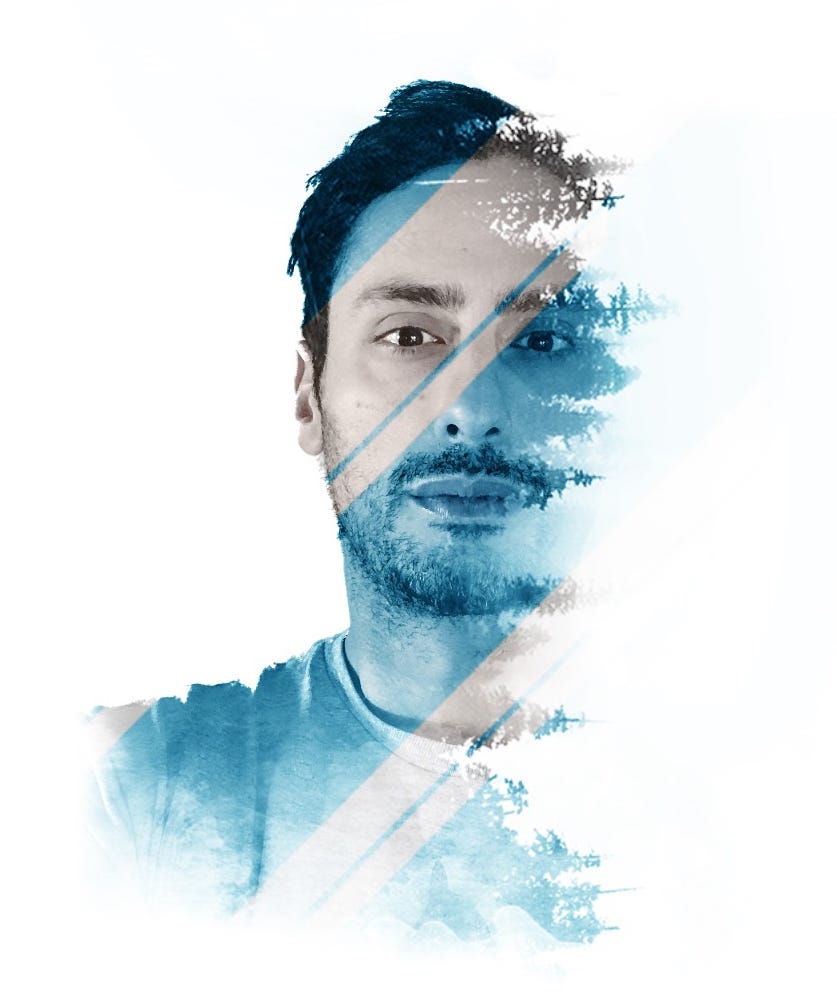
Our designs and recipes in turn had to be tweaked to gracefully allow for errors of our AI, because an error rate of 3% can still produce undesired artefacts and mask inaccuracies. We did that by using techniques that beautifully fringed edges of the portrait.
Altogether, the close cooperation, as well as countless meetings, feedback loops, and the continuous fine tuning of the code and underlying recipes is what brings us here.
All of this wouldn’t have happened if we hadn’t took the risk to invest in a rising technology in the first place. And all of this wouldn’t have been possible if it wasn’t for the exemplary cooperation between all the stakeholders. Portrait is a showcase of how technology can inspire and tie a team together. This, in the end, is absolutely necessary if we want to achieve the leaps we expect with AI. If you want to impact the creative space by introducing an AI layer to it, your engineers have to think like designers, or at least deeply understand their work.