Reflecting back on my experience designing in “the land of a thousand hills”, I took note of a few things I’ve learned about how we can forge common bonds of trust to make real, lasting impact, both in Rwanda and back home.
Support ongoing mentorships
Helping clients approach coaching and mentoring in ways that will continue long after a project gets off the ground, is the best learning outcome you can leave behind. These sorts of support are empowering and inspiring. Share methodologies and tools to unlock design potential, while instilling critical and creative thinking to promote autonomy. Enable an environment where people can develop and thrive, this will encourage them to support each other long into the future.
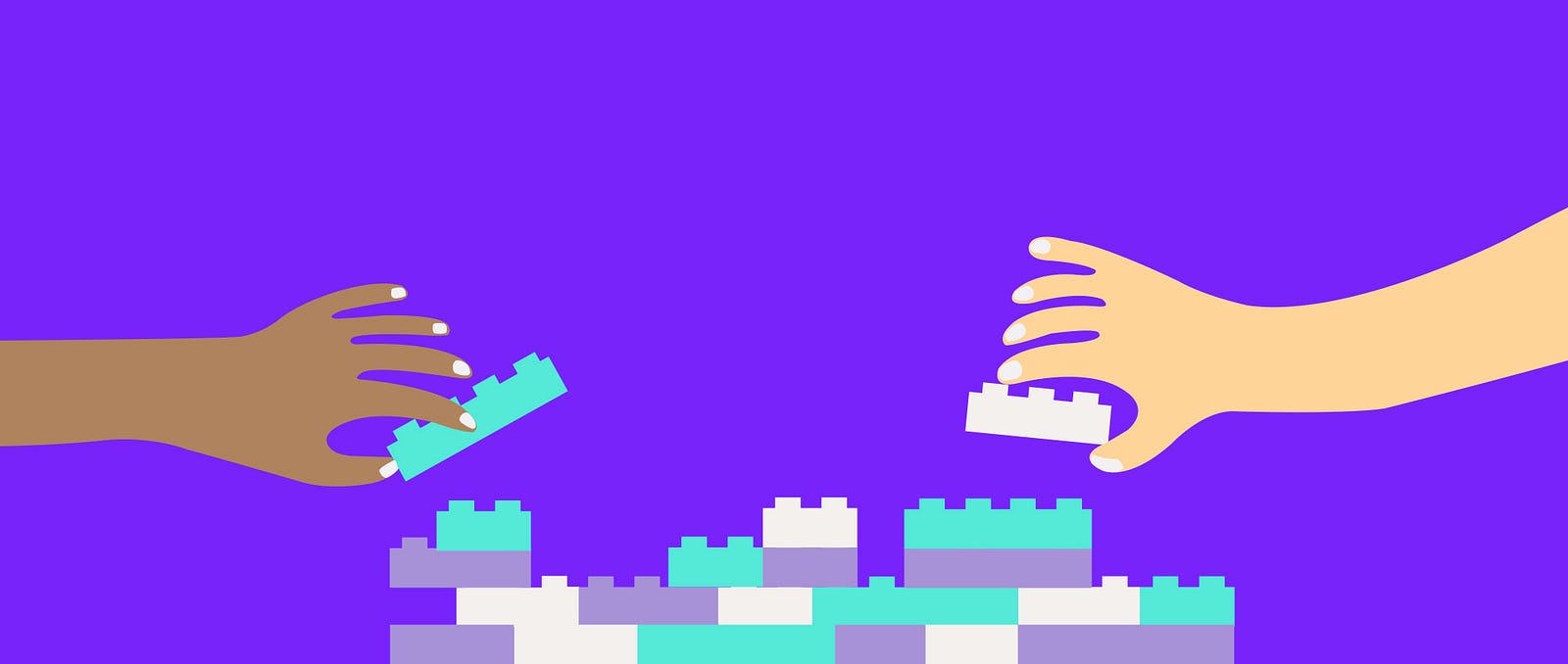
Foster a co-creation environment
Bring your clients along with you in the design process and promote a co-creation mentality. Take their ideas and concerns on board and something magic will happen: big ideas will begin to sprout from smaller ones. Make them part of the decision-making and most importantly, stay curious and open-minded. Learn enough about the project to realize that you don’t know everything about it. Listen to your client and they’ll become deeply involved in the process.
Walk a mile in their shoes
Designing with empathy is the ability to step into other people’s shoes and solve problems from their perspective. Immerse yourself in their culture and market, to develop an understanding of its intricacies. Understand their experiences, struggles and thought process. Avoid making assumptions and generalizing; needs and desires differ from nation to nation. Learn as much as you can about your client’s values so they feel fully understood.
Show vulnerability
We’re all human. Be honest if you don’t have an immediate answer to a problem. Always verbalize your concerns (pretty insignificant you might think, but it is symbolic). This is when you get the most valuable feedback, and when an authentic, nonlinear dialogue unfolds.
Embrace uncertainty, stay open
Unexpected challenges are also a good base on which to build trust and keep ourselves on our toes. Constraints can push creativity and lead us to real innovation. This also means adopting an iterative process where thinking is done by making. Besides, if we knew the answer when we started, how could we possibly learn? Adopt a never-settling-attitude and never take the relationship for granted. Stay positive.
Be reliable and transparent
The only way to achieve a result with longevity is through a transparent approach to collaboration. Favor the explicit over the implicit, because it makes everything easier to understand. Communicate trustworthiness based on consistency and work ethic.
Define success and commit to it
Define what success looks like to you and your client. This is the difference between designing a product and designing outcomes. If you have a clear picture of what success means to them and their business context, you’re more likely to achieve tangible results. Manage and meet your client’s expectations. Produce quality work. Under-promise and over-deliver.