2. Where to Make a Difference: Connected Devices
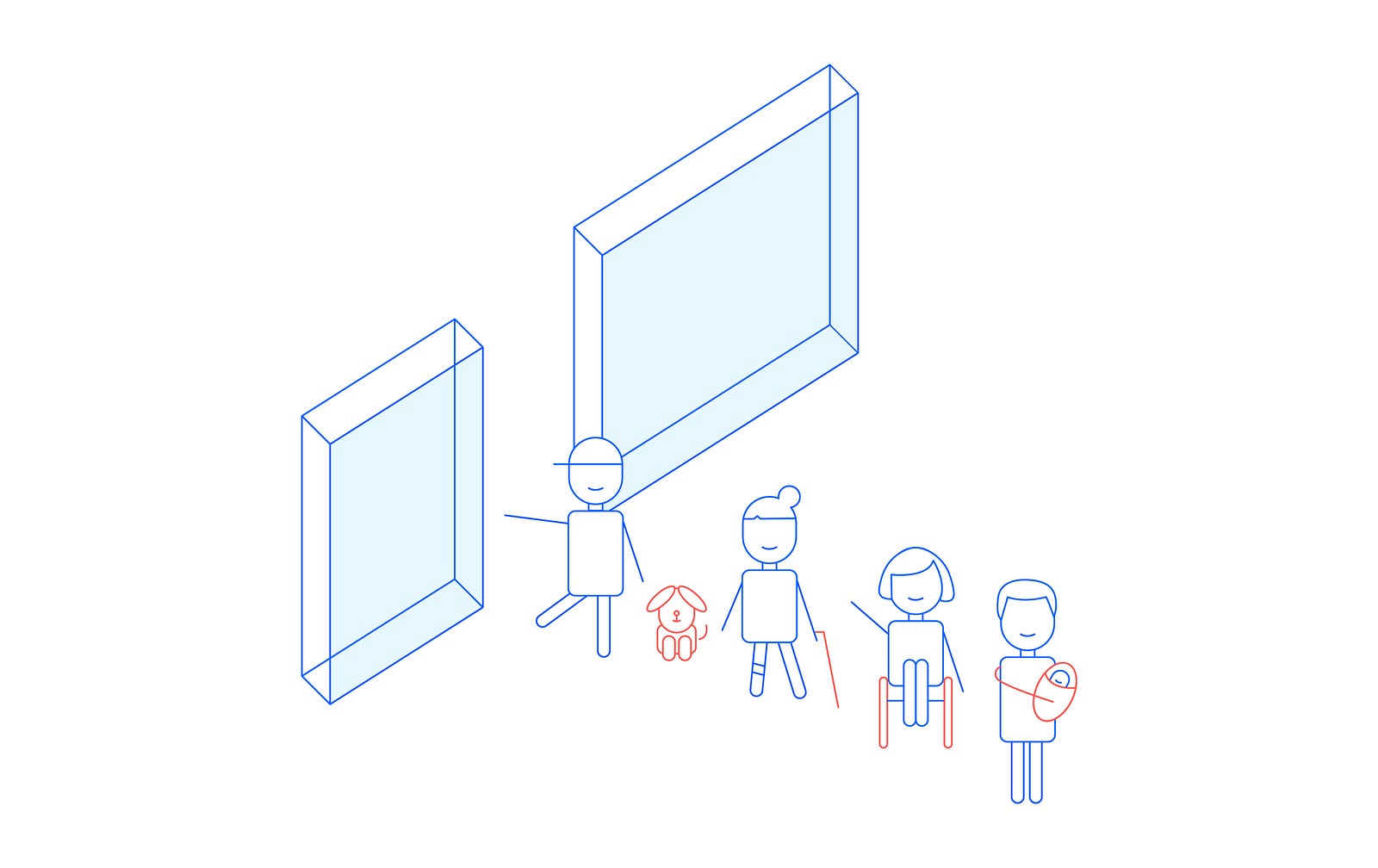
Fighting to broaden access to the Internet has been the terrain of accessibility practitioners and disability rights activists since the World Wide Web’s inception. While this work has been invaluable in bringing information and communication tools to those otherwise excluded, the challenge we face as practitioners today extends far beyond the web. Not only are there an estimated 2.4 billion smartphone users globally, but every day more and more physical objects are being embedded with computing power. Without accessibility, the ever-spreading reach of technology into our everyday lives threatens to deepen the digital divide that separates those who can participate in its services and those who cannot.
Yet this challenge is also an opportunity. Connected objects, precisely because they automate interactions between people and their physical environment, are uniquely positioned to facilitate independence for people with certain impairments. Companies that create products at the intersection of technology and our material world have the power to reduce the barriers that exist all around us.
Take HomeKit. HomeKit is an app that enables you to control a suite of in-home technologies such as lights, switches, outlets, plugs, thermostats, smoke alarms, sensors, security cameras, fans, locks, and garage doors. Because it was designed and developed with accessibility in mind, an app like HomeKit is able to dramatically impact the lives of people with varying types of ability. It demonstrates the impact that connected devices can have in enabling a more independent lifestyle for people with certain types of impairments.
The ever-spreading reach of technology threatens to deepen the digital divide that separates those who can participate in its services and those who cannot.
Between web, mobile, new hardware devices, and the integration of technology into everyday physical objects, designers of digital products have a wide field of influence — and with it, a vast opportunity to make a difference. In a world where software is increasingly being used to power physical objects, controllers like HomeKit are the gatekeepers that determine who is able to benefit from them.